Framework: The Center for Internet Security (CIS) Top 18 Controls
By Jason Edwards
Listen to a podcast, please open Podcast Republic app. Available on Google Play Store and Apple App Store.
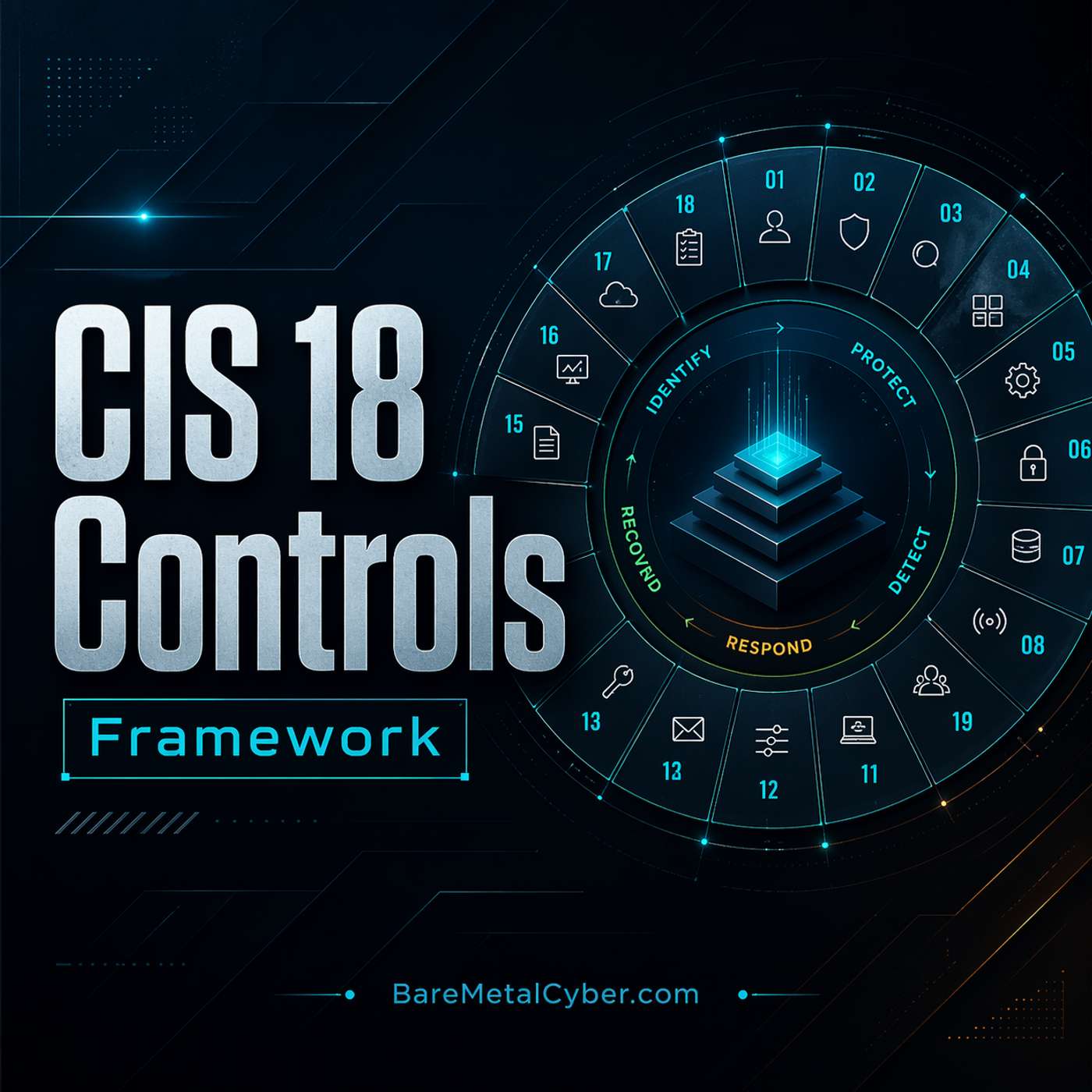
Image by Jason Edwards
Category: Technology
Open in Apple Podcasts
Open RSS feed
Open Website
Rate for this podcast
Subscribers: 0
Reviews: 0
Episodes: 83


Description
The **CIS Critical Security Controls Audio Course** is a comprehensive, audio-first training series that guides listeners through all eighteen **CIS Controls**, transforming one of the world’s most respected cybersecurity frameworks into clear, actionable learning. Designed for professionals, students, and auditors alike, this series explains each control in practical, plain language—focusing on how to implement, assess, and sustain them in real environments. With eighty-three structured episodes, the course walks you step by step through the safeguards that define effective cybersecurity, helping you understand not only what to do but why each measure matters.
The **CIS Controls**, maintained by the Center for Internet Security, represent a globally recognized set of prioritized actions proven to reduce the most common and dangerous cyber risks. Organized across eighteen control families—from inventory and configuration management to incident response and data recovery—the framework provides a practical roadmap for building defensible, risk-aligned security programs. This course explores how organizations can adopt the controls incrementally, measure maturity over time, and map them to other standards such as NIST, ISO 27001, and PCI DSS for comprehensive alignment.
Developed by **BareMetalCyber.com**, the CIS Critical Security Controls Audio Course delivers structured, exam-aligned instruction that bridges policy and practice. Each episode reinforces understanding through real-world context, helping listeners translate framework requirements into measurable actions that strengthen organizational resilience and long-term security maturity.
| Episode | Date |
|---|---|
|
Welcome to the CIS 18 Control Framework
|
Oct 18, 2025 |
|
Episode 82 — Safeguard 18.2 – Internal and red team exercises
|
Oct 18, 2025 |
|
Episode 81 — Safeguard 18.1 – External testing programs
|
Oct 18, 2025 |
|
Episode 80 — Overview – Why penetration testing validates defenses
|
Oct 18, 2025 |
|
Episode 79 — Remaining safeguards summary (Control 17)
|
Oct 18, 2025 |
|
Episode 78 — Safeguard 17.2 – Tabletop exercises
|
Oct 18, 2025 |
|
Episode 77 — Safeguard 17.1 – IR plan and playbooks
|
Oct 18, 2025 |
|
Episode 76 — Overview – Incident response principles
|
Oct 18, 2025 |
|
Episode 75 — Remaining safeguards summary (Control 16)
|
Oct 18, 2025 |
|
Episode 74 — Safeguard 16.2 – Static and dynamic testing
|
Oct 18, 2025 |
|
Episode 73 — Safeguard 16.1 – Secure coding practices
|
Oct 18, 2025 |
|
Episode 72 — Overview – Secure software lifecycle
|
Oct 18, 2025 |
|
Episode 71 — Remaining safeguards summary (Control 15)
|
Oct 18, 2025 |
|
Episode 70 — Safeguard 15.2 – Security requirements in contracts
|
Oct 18, 2025 |
|
Episode 69 — Safeguard 15.1 – Inventory of service providers
|
Oct 18, 2025 |
|
Episode 68 — Overview – Third-party and vendor risks
|
Oct 18, 2025 |
|
Episode 67 — Remaining safeguards summary (Control 14)
|
Oct 18, 2025 |
|
Episode 66 — Safeguard 14.3 – Role-based training for admins and developers
|
Oct 18, 2025 |
|
Episode 65 — Safeguard 14.2 – Phishing simulations
|
Oct 18, 2025 |
|
Episode 64 — Safeguard 14.1 – Security awareness program
|
Oct 18, 2025 |
|
Episode 63 — Overview – Human factor in cyber defense
|
Oct 18, 2025 |
|
Episode 62 — Remaining safeguards summary (Control 13)
|
Oct 18, 2025 |
|
Episode 61 — Safeguard 13.3 – Anomaly detection
|
Oct 18, 2025 |
|
Episode 60 — Safeguard 13.2 – Segmentation and filtering
|
Oct 18, 2025 |
|
Episode 59 — Safeguard 13.1 – Intrusion detection and prevention
|
Oct 18, 2025 |
|
Episode 58 — Overview – Monitoring as the nervous system
|
Oct 18, 2025 |
|
Episode 57 — Remaining safeguards summary (Control 12)
|
Oct 18, 2025 |
|
Episode 56 — Safeguard 12.3 – Remove legacy and unused devices
|
Oct 18, 2025 |
|
Episode 55 — Safeguard 12.2 – Secure and configure devices
|
Oct 18, 2025 |
|
Episode 54 — Safeguard 12.1 – Maintain network diagrams
|
Oct 18, 2025 |
|
Episode 53 — Overview – Network devices and hygiene
|
Oct 18, 2025 |
|
Episode 52 — Remaining safeguards summary (Control 11)
|
Oct 18, 2025 |
|
Episode 51 — Safeguard 11.2 – Testing data recovery
|
Oct 18, 2025 |
|
Episode 50 — Safeguard 11.1 – Backup process design
|
Oct 18, 2025 |
|
Episode 49 — Overview – Planning for inevitable failures
|
Oct 18, 2025 |
|
Episode 48 — Remaining safeguards summary (Control 10)
|
Oct 18, 2025 |
|
Episode 47 — Safeguard 10.2 – Endpoint detection and response (EDR)
|
Oct 18, 2025 |
|
Episode 46 — Safeguard 10.1 – Anti-malware solutions
|
Oct 18, 2025 |
|
Episode 45 — Overview – Malware threats and defenses
|
Oct 18, 2025 |
|
Episode 44 — Remaining safeguards summary (Control 9)
|
Oct 18, 2025 |
|
Episode 43 — Safeguard 9.2 – Browser configuration and isolation
|
Oct 18, 2025 |
|
Episode 42 — Safeguard 9.1 – Spam and phishing defenses
|
Oct 18, 2025 |
|
Episode 41 — Overview – Email and browser as attack vectors
|
Oct 18, 2025 |
|
Episode 40 — Remaining safeguards summary (Control 8)
|
Oct 18, 2025 |
|
Episode 39 — Safeguard 8.2 – Centralized log collection and SIEM
|
Oct 18, 2025 |
|
Episode 38 — Safeguard 8.1 – Enable audit logging
|
Oct 18, 2025 |
|
Episode 37 — Overview – Logs as the backbone of detection
|
Oct 18, 2025 |
|
Episode 36 — Remaining safeguards summary (Control 7)
|
Oct 18, 2025 |
|
Episode 35 — Safeguard 7.3 – Integration with patch management
|
Oct 18, 2025 |
|
Episode 34 — Safeguard 7.2 – Remediation timelines and SLAs
|
Oct 18, 2025 |
|
Episode 33 — Safeguard 7.1 – Vulnerability scanning tools
|
Oct 18, 2025 |
|
Episode 32 — Overview – Why vulnerability management is continuous
|
Oct 18, 2025 |
|
Episode 31 — Remaining safeguards summary (Control 6)
|
Oct 18, 2025 |
|
Episode 30 — Safeguard 6.2 – Role-based access control (RBAC)
|
Oct 18, 2025 |
|
Episode 29 — Safeguard 6.1 – Access authorization processes
|
Oct 18, 2025 |
|
Episode 28 — Overview – Principles of least privilege
|
Oct 18, 2025 |
|
Episode 27 — Remaining safeguards summary (Control 5)
|
Oct 18, 2025 |
|
Episode 26 — Safeguard 5.3 – Disable dormant accounts
|
Oct 18, 2025 |
|
Episode 25 — Safeguard 5.2 – Centralized account management
|
Oct 18, 2025 |
|
Episode 24 — Safeguard 5.1 – Inventory of accounts
|
Oct 18, 2025 |
|
Episode 23 — Overview – Managing identity and accounts
|
Oct 18, 2025 |
|
Episode 22 — Remaining safeguards summary (Control 4)
|
Oct 18, 2025 |
|
Episode 21 — Safeguard 4.2 – Automated configuration management
|
Oct 18, 2025 |
|
Episode 20 — Safeguard 4.1 – Establish secure configuration baselines
|
Oct 18, 2025 |
|
Episode 19 — Overview – Why secure configs matter
|
Oct 18, 2025 |
|
Episode 18 — Remaining safeguards summary (Control 3)
|
Oct 18, 2025 |
|
Episode 17 — Safeguard 3.3 – Data encryption at rest and in transit
|
Oct 18, 2025 |
|
Episode 16 — Safeguard 3.2 – Data retention and disposal
|
Oct 18, 2025 |
|
Episode 15 — Safeguard 3.1 – Data classification and inventory
|
Oct 18, 2025 |
|
Episode 14 — Overview – Protecting sensitive data
|
Oct 18, 2025 |
|
Episode 13 — Remaining safeguards summary (Control 2)
|
Oct 18, 2025 |
|
Episode 12 — Safeguard 2.2 – Only allow authorized software
|
Oct 18, 2025 |
|
Episode 11 — Safeguard 2.1 – Maintain a software inventory
|
Oct 18, 2025 |
|
Episode 10 — Overview – Managing the software landscape
|
Oct 18, 2025 |
|
Episode 9 — Remaining safeguards summary (Control 1)
|
Oct 18, 2025 |
|
Episode 8 — Safeguard 1.2 – Address unauthorized assets
|
Oct 18, 2025 |
|
Episode 7 — Safeguard 1.1 – Inventory of assets
|
Oct 18, 2025 |
|
Episode 6 — Overview – Why asset management is foundational
|
Oct 18, 2025 |
|
Episode 5 — Glossary of common cybersecurity terms
|
Oct 18, 2025 |
|
Episode 4 — Glossary of common cybersecurity terms
|
Oct 18, 2025 |
|
Episode 3 — What is a “control” and what is a “safeguard”?
|
Oct 18, 2025 |
|
Episode 2 — How to use CIS 18 in your organization
|
Oct 18, 2025 |
|
Episode 1 — What are the CIS Critical Security Controls?
|
Oct 18, 2025 |